
The Shelter Crisis - America's Overcrowded Reality
Approximately 6.3 million companion animals, such as dogs, cats, etc., enter shelters each year in the United States - 3.1 million dogs and 3.2 million cats. Despite best efforts, about 920,000 shelter animals are euthanized annually only in the US, with 390,000 of those being dogs.
11/8/20243 min read
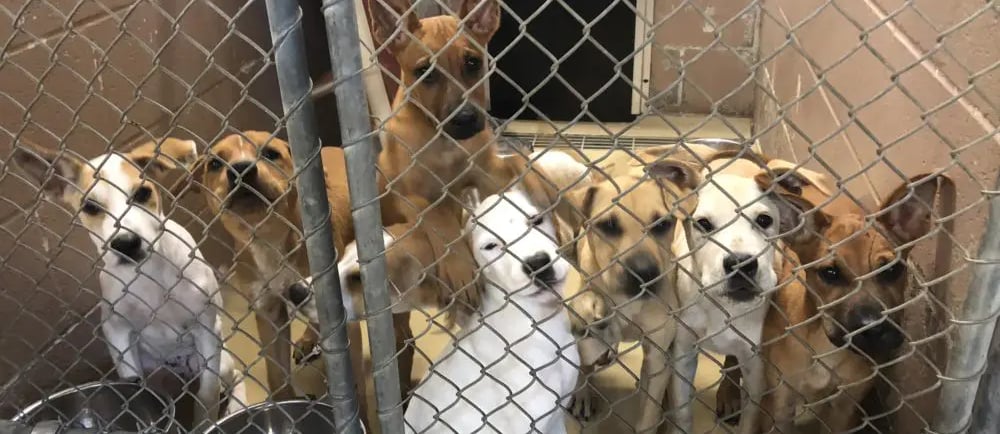
While headlines focus on dramatic rescues and high-profile criminal cases, a quieter crisis is unfolding across America: shelter overcrowding. And it's getting worse.
Approximately 6.3 million companion animals, such as dogs, cats, etc., enter shelters each year in the United States - 3.1 million dogs and 3.2 million cats. Despite best efforts, about 920,000 shelter animals are euthanized annually only in the US, with 390,000 of those being dogs.
Between 2022 and 2023, dog euthanasia rates increased by 30.9%. This isn’t just a slight uptick; it’s a massive 30% increase in dogs dying in shelters.
In 2023, animal shelters faced a perfect storm. Post-pandemic financial pressure led to increased owner surrenders. Many families bought dogs while they were stuck at home during the pandemic, out of boredom. However, as soon as people realized they had to start going to work again, they had no one to care for the pets, and many were abandoned on the streets.
The problem isn't that shelters suddenly became worse at their jobs. Economic pressure means more people can't afford veterinary care, food, or pet deposits for rental housing. Stray dog intakes increased by 5% from 2022 to 2023. Many rental properties have breed restrictions, weight limits, or don't allow pets at all, creating situations where people who desperately want to keep their pets simply can't find anywhere to live with them.
Not all states face the same challenges. Five states- California, Florida, Georgia, North Carolina, and Texas- account for 44% of shelter animal euthanasia nationally. Mississippi has the highest kill rate at around 18%, while New Hampshire and Delaware are the only no-kill states in America. The disparity comes down to resources, legislation, public attitudes, and availability of spay/neuter programs.
This isn't just a crisis for animals; it's also a crisis for the shelter workers who care for them, who suffer from compassion fatigue, burnout, and moral injury. They became shelter workers because they love animals, but they're forced to make life-and-death decisions simply due to space and funding constraints.
When people hear that only 50% of U.S. shelters are "no-kill," it's easy to assume the other 50% are heartlessly killing animals. But "no-kill" means a shelter has a save rate of 90% or higher. Even no-kill shelters euthanize animals for medical reasons or severe behavioral issues. There isn’t a single state in the US that has a complete 100% no kill rate in shelters. But this doesn’t mean that traditional "kill" shelters aren't evil - they're doing impossible work with insufficient resources, taking in every animal, including the sick, elderly, and aggressive animals that no-kill shelters often turn away to keep up their reputation.
The good news is that as a society, we are slowly beginning to learn what works. Accessible spay/neuter programs through low-cost or free clinics can dramatically reduce shelter intake over time. Pet-friendly housing initiatives through laws preventing breed discrimination and subsidies for pet deposits can keep animals with their families. Owner support services like pet food banks, short-term fostering during emergencies, and financial assistance for veterinary care help keep pets in their homes.
Community TNR programs for stray populations reduce long-term shelter intake more effectively than catch-and-euthanize approaches. Expanding foster networks gets animals out of stressful shelter environments. Transfer programs moving animals from high-kill to high-capacity areas save lives.
Looking through all of these statistics, one thing is clear. We don’t have anyone to blame for it - we've created this crisis through our policies, our housing systems, our lack of accessible veterinary care, and our failure to prioritize spay/neuter programs. Every one of those 390,000 dogs euthanized in shelters each year was an individual who deserved better.
Dogvocacy
If we don't speak for them, who will?
You can reach me at info@dogvocacy.com
OR
© 2024. All rights reserved.