
Puppy Mills - The Dark Side of Dog Breeding
There are approximately 139,000 breeding females in licensed puppy mills in the United States. Those are just the licensed ones - the number in unlicensed operations is unknown, but definitely significantly higher. These dogs spend their entire lives in misery, producing puppies that are sold to unsuspecting consumers just for a profit.
4/7/20263 min read
Ongoing Crisis
An estimated 10,000 puppy mills operate in the United States, and for the 11th consecutive year, Missouri leads the nation in having the most and highest number of abusive mills.
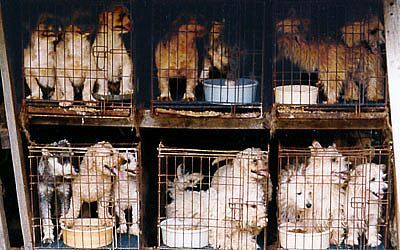
Puppy mills are commercial dog breeding operations that prioritize profit over animal welfare. Female dogs are overbred, forced to produce litter after litter until their bodies give out, and they are killed. They're kept in small cages or kennels, with such little room they often have to stack on top of each other. The floors of the kennels are made of wire, which injure their feet. They rarely, if ever, get to leave their cages. They have no idea what it feels like to be a normal, free dog, getting to run around or play with toys.
Medical care is nonexistent. Food is inadequate and usually contaminated. Exercise or any type of socialization are all concepts don't exist in puppy mills.
There are approximately 139,000 breeding females in licensed puppy mills in the United States. Those are just the licensed ones - the number in unlicensed operations is unknown, but definitely significantly higher. These dogs spend their entire lives in misery, producing puppies that are sold to unsuspecting consumers just for a profit.
Puppies from mills are typically separated from their mothers too early, denied proper socialization during critical developmental windows, and transported long distances in stressful conditions. As a result, they often have health problems from poor breeding practices, behavioral issues from lack of socialization, genetic problems from inbreeding, and parasites and infectious diseases.
Most pet stores that sell puppies source them from puppy mills. They'll have paperwork saying the dogs come from "USDA licensed breeders”, which sounds official but never guarantees proper humane treatment.
In fact, USDA oversight is notoriously weak. According to an ASPCA analysis, in 2023, USDA inspectors documented Animal Welfare Act violations by more than 400 commercial dog dealers but only took enforcement action against four of them. That's a mere 1% enforcement rate. Puppy mills usually violate regulations repeatedly with minimal consequences.
Fortunately, some states have taken action. Eight states now prohibit the retail sale of puppies and kittens in pet stores: California, Maryland, Maine, Washington, Illinois, New York, Oregon, and Vermont. These bans aim to cut off the pipeline between puppy mills and consumers.
But six states have gone in the opposite direction, passing "Pet Store Preemption" laws that prevent local governments from regulating pet sales: Arizona, Ohio, Iowa, Texas, Arkansas, and Indiana. These laws essentially aim to protect puppy mills, which is the opposite of what most people believe in.
As brick-and-mortar pet stores face scrutiny, puppy mills have moved online. Websites and social media ads make it easy to sell puppies directly without transparency. These sellers present themselves as "home breeders" or "family operations," using cute photos to hide their true nature.
Despite the grim picture, progress is happening. In 2024, at least 16 puppy mills from the Humane Society's "Horrible Hundred" report permanently closed. Since 2013, at least 265 puppy mills described in these reports have shut down, with at least 2,500 animals rescued.
To be clear, not all breeders are puppy mills. Responsible breeders keep small numbers of dogs, breed specific breeds they're passionate about, provide excellent veterinary care and socialization, keep breeding dogs as family members, screen buyers carefully, and take responsibility for dogs their entire lives.
Here's what you can do: Adopt from shelters (about 25% of shelter dogs are purebreds), research thoroughly before buying, never buy from pet stores, be skeptical of online ads, wupport legislation for stronger regulations, and report suspected mills.
Ten thousand puppy mills. One hundred thirty-nine thousand female dogs imprisoned in breeding facilities. This is the price we have to pay when humans treat dogs as products rather than domesticated animals. Every puppy mill exists because consumers keep buying from them. We can easily end this through our purchasing decisions and policy choices.
Dogvocacy
If we don't speak for them, who will?
You can reach me at info@dogvocacy.com
OR
© 2024. All rights reserved.