
India's Supreme Court Backlash - When Justice is Wrong
India accounts for 36% of the world's rabies deaths, with 30-60% occurring in children under 15. India's Supreme Court made a decision that sent shockwaves through the entire country: all stray dogs in Delhi and the National Capital Region had to be rounded up and permanently confined to shelters within eight weeks
8/8/20252 min read
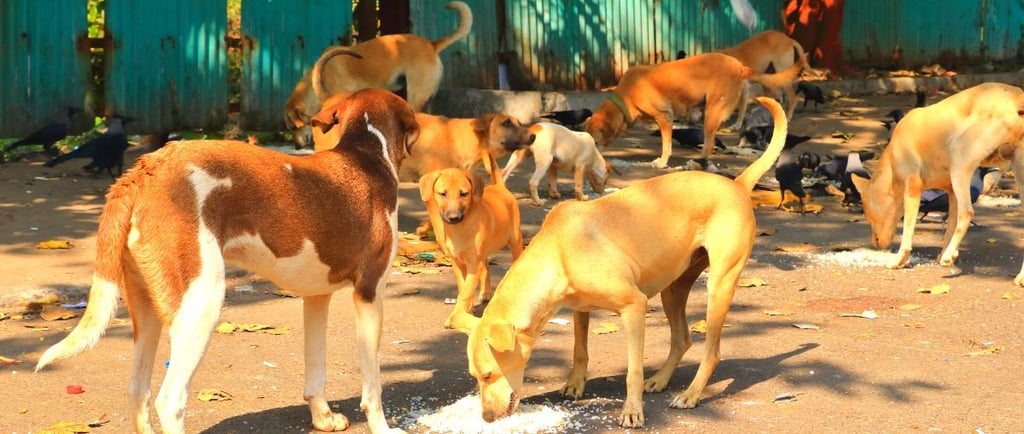
On August 12, 2025, India's Supreme Court made a decision that sent shockwaves through the entire country: all stray dogs in Delhi and the National Capital Region had to be rounded up and permanently confined to shelters within eight weeks. An estimated one million dogs were affected.
The backlash was immediate and powerful enough to force the court to take back its decision just ten days later.
The Supreme Court took action after reading a news article about a six-year-old girl named Chavi Sharma who died from rabies after being attacked by stray dogs. Another incident involved a four-year-old boy attacked by a pack of dogs. These tragedies are absolutely real and devastating, with India accounting for 36% of the world's rabies deaths, with 30-60% occurring in children under 15. Delhi reports nearly 2,000 dog bite incidents each day, most coming from dogs trying to protect themselves, not from wanting to attack.
The court described the situation as "extremely grim" and said urgent measures were needed. But the order was made with apparently zero consideration for logistics or animal welfare. They demanded the immediate creation of shelters for 5,000 dogs, with full infrastructure to be reported within eight weeks. The craziest part is that the court warned that anyone who interfered with the roundup would face contempt proceedings.
Delhi has an estimated 500,000-1 million stray dogs. India has existing laws requiring caught dogs to be sterilized, vaccinated, and returned to their capture locations. The Supreme Court order explicitly contradicted these regulations by demanding permanent confinement, even though they knew that India's shelter infrastructure couldn't handle even 1% of this population.
Animal rights activist Maneka Gandhi questions, "If by some miracle, we can make those pounds in eight weeks, how will you feed them? Who will be looking after them?" The answer was obvious: this order was effectively a mass death sentence disguised as public safety policy, similar to Turkey Massacre Law, which can be read about here (LINK TO OTHER ARTICLE HERE).
Animal lovers and activists across India mobilized immediately. Over 100 people braved heavy rain in Mumbai to protest, and a petition on change.org gathered nearly 370,000 signatures. Protests erupted in cities nationwide. Community dog feeders, who were people who dedicated themselves to caring for street dogs, were completely devastated.
On August 22, 2025, just ten days after the initial order, a three-judge bench reversed course. The modified order directed that dogs caught from the streets be sterilized, vaccinated, and returned to the same localities they were removed. Designated feeding spaces would be created, but dogs would not be permanently confined.
It was a massive victory for people with common sense and compassion. But the fact that the order was made in the first place reveals deeper problems. The Supreme Court reacted emotionally to tragic incidents without considering whether its solution would actually address the underlying problems. Rabies deaths and dog bites are real issues, but mass removal of dogs doesn't solve them - proper vaccination and sterilization programs do.
India actually had the right approach already enshrined in law, called the Animal Birth Control Rules. The problem isn't the policy; it's the implementation. Local governments have consistently failed to fund and execute effective sterilization and vaccination programs.
What India needs is massive investment in sterilization programs, rabies vaccination campaigns for both dogs and accessible post-exposure prophylaxis for people, public education about safe behavior around dogs, and better enforcement that hold local authorities accountable. The poor dogs on the street aren’t the problem - it’s the Government’s failure to implement human laws that are.
Dogvocacy
If we don't speak for them, who will?
You can reach me at info@dogvocacy.com
OR
© 2024. All rights reserved.